Map the user task, test the flow and build a Figma system your team can extend. Take the design into development with us or keep the files and choose your own engineering team.
Templates per site12-18CWV at launchPass or we fix itLCP target≤ 2.0sEditor training90 minWhat every website project includes
[01]Fit
Is this the right project for you?
Be honest here and we will be honest back. Half the companies that call us need a smaller project than they think.
Good fit if
Your users struggle to complete a clear task
You need a shared design system before development
You can give us access to users, analytics and a product owner
Not a fit if
You need visual polish without reviewing the flow
Nobody can approve product decisions
You need a finished application without a development scope
[02]What you get
Deliverables you can open, not slides about them.
The design handoff records the agreed flows, components and states. Your team keeps the editable source and can take it into development with the engineers you choose.
Flow map
User journeys
The approved task sequence, role decisions and navigation paths.
Figma
Component system
Reusable components with the responsive and interaction states in the scope.
Prototype
Clickable flow
A linked design for reviewing the agreed journey before implementation.
Handoff notes
State inventory
Loading, empty, error, success and permission cases for the developer.
[03]Redesign, before and after
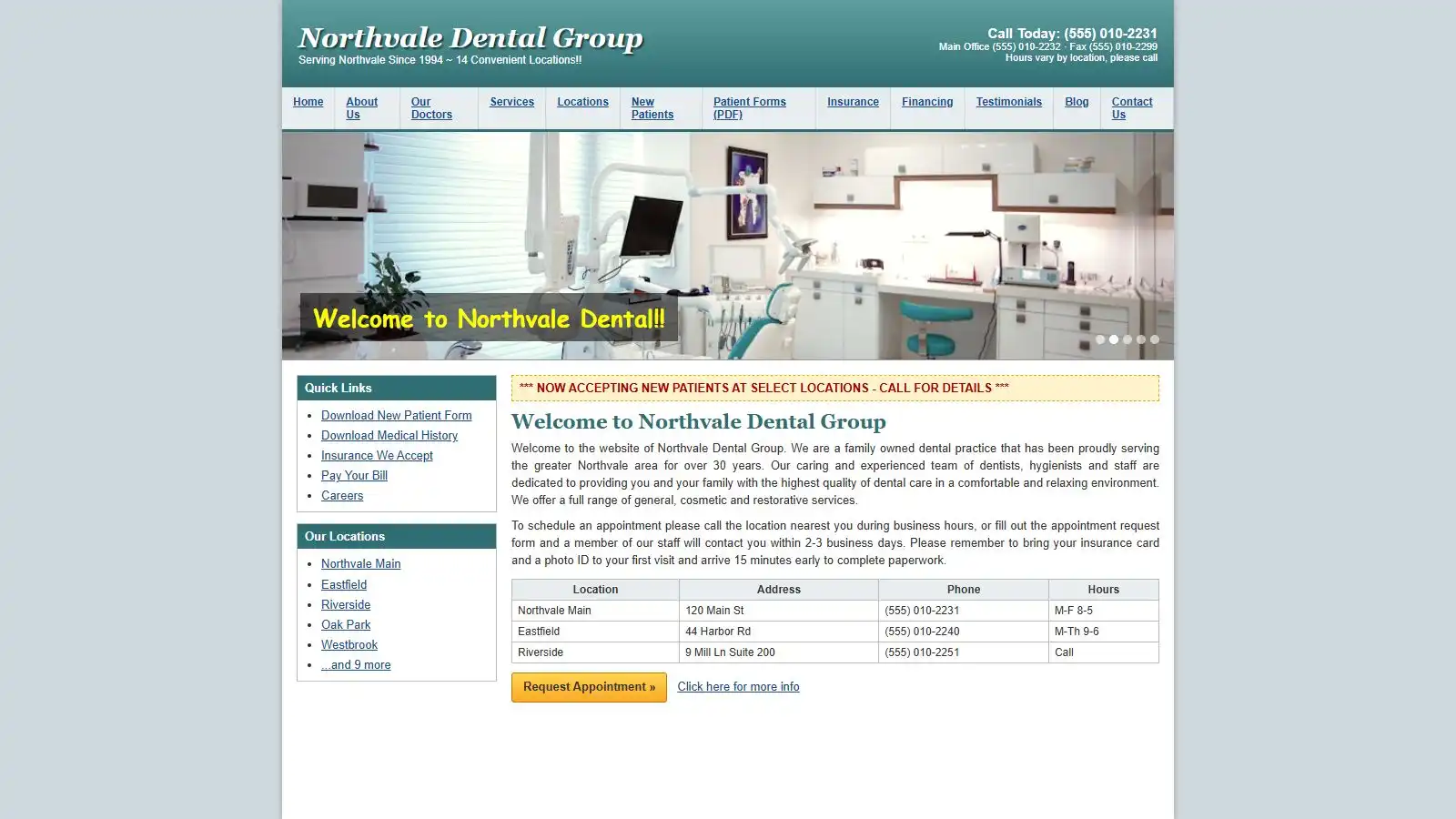
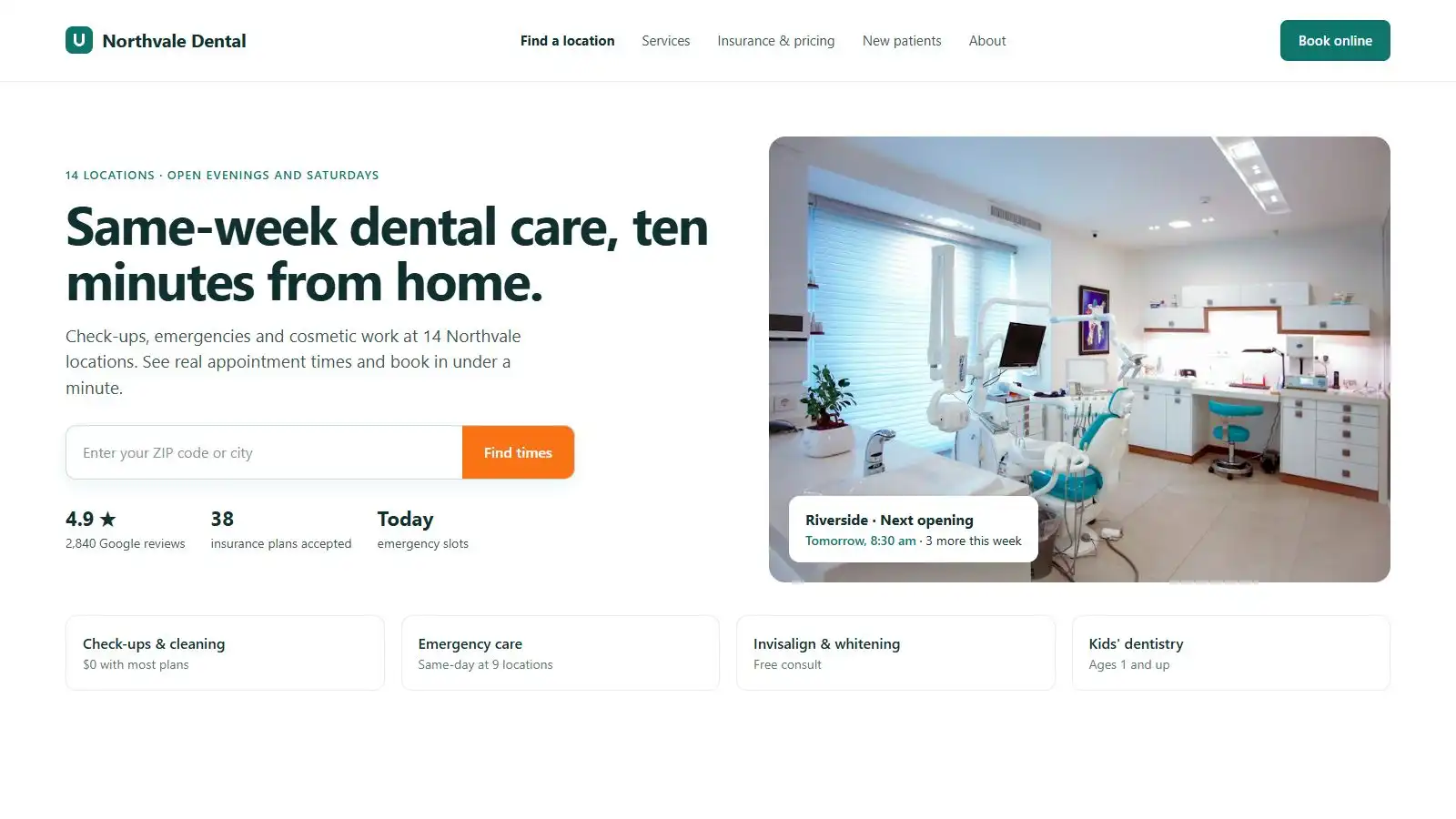
Same company. Same content. Different outcome.
A labeled concept comparison shows how hierarchy changes the reading path. It is a design illustration, not a measured conversion result.
BeforeAfter
Moto G Power · 4G · Lighthouse 12 · Oct 2026Illustrative comparison
[04]How it works
Research, flows, interface and handoff: four approval gates.
You see work every week on a private portal. Nothing moves to the next phase without your sign-off.
Research, flows, interface and handoff: four approval gates.
Checkpoint
Phase
What happens
Your effort
Gate
01
Research
Map tasks, constraints and available user evidence
Share access and product context
Research scope approved
02
Flows
Wireframes, journeys and role decisions
Review the task sequence
Flows approved
03
Interface
Figma components, responsive layouts and interaction states
Review screens and states
Design system approved
04
Handoff
Prototype review, state inventory and engineering notes
Approve the files and open questions
Handoff accepted
User flows
Keep the interactions users already understand.
Review existing flows and keep the behaviors that still help users. Map changes to navigation, labels and component states before rebuilding the interface.
User tasks and journey map
Navigation and label decisions
Empty, loading and error states
Design handoff
A design system shared with your engineering team.
Your team approves the workflow and the state inventory. Developers receive a shared Figma system and the notes needed to implement it.
Figma source and components
Clickable prototype
Implementation notes
[05]Design to build
A design handoff your engineers can inspect.
Review the Figma system with the people who will build it. The handoff names component rules, state behavior and open implementation questions.
A shared visual system
Typography, spacing and reusable controls are documented in the approved Figma file.
The cases between the screens
Empty, loading, error and permission states are mapped against the user task.
A build your engineers can estimate
Source files and implementation notes connect the design to the agreed delivery scope.
[06]Engagement models
Three ways to scope it.
Numbers arrive in the written proposal. Here is what each scope contains and what moves the price.
Find which server sent the 414 and stop the redirect or form that keeps growing the URL. Raise the nginx or Apache limit only for legitimate long URLs.
Tested on nginx 1.30.6 and Apache 2.4.70 (Apache Lounge Win64 build) on Windows 10 Pro with a Node.js 22.23.4 backend, and WordPress 7.1.4 on PHP 8.3 in Playground, November 11, 2026
The methods, inputs and deliverables of a UX audit, and how to tell a good one from an opinion. Includes a sample audit of our own project brief with 14 real findings.
Tested on Production build of w3experts.com served locally, headless Chromium from Playwright 1.65.0 at 390 and 1440 pixels, axe-core 4.14.0 and Lighthouse 13.6.0, November 11, 2026
Severity, effort, confidence, owner and acceptance criteria, plus a scoring rule anyone can repeat. Worked example: the 14 findings from our own sample audit.
Tested on Findings from the sample audit of w3experts.com, run in headless Chromium from Playwright 1.65.0 at 390 and 1440 pixels on November 11, 2026
The decisions to make before a redesign launches. Inventory, keep or remove rules, the URL map, freezes, validation and rollback, with real numbers from our own rebuild.
A sample design handoff connects each user task to its screens, components and error states. The project files include the editable Figma source, a clickable prototype and notes for the engineer.
Sample · scope agreed before work starts
Flow map and component state inventory
A sample design handoff connects each user task to its screens, components and error states. The project files include the editable Figma source, a clickable prototype and notes for the engineer.
You keep the agreed project files and source. This sample illustrates the handoff; it is not a client result.
[11]Questions
UI/UX Design questions.
What is included in a UI/UX design project?
We agree on the flows, research, screens and states before work starts. The handoff includes Figma source files, reusable components, a prototype and implementation notes for the approved scope.
Can you work with our current design system?
Yes. We review the library, identify missing states and extend the components that still work. A replacement system is a separate decision, based on the gaps we find.
Do you design mobile and desktop experiences?
We define the devices and breakpoints during discovery. Responsive layouts, touch targets and content changes are included in the screen inventory rather than left for the developer to guess.
How do you test a design before development?
We review task flows against the brief and use the agreed research methods. Moderated user testing is scoped separately when recruitment, consent and participant access are needed.
Can our own developers build the designs?
Yes. Your engineers receive the source files, component specifications and state notes. We can review implementation questions or scope the development as a separate phase.
How long does UI/UX design take?
Design projects typically take two to six weeks. The proposal sets the schedule from the number of flows, review rounds, research tasks and the availability of your decision makers.
Who owns the Figma files and research?
You own the project files from day one. If you stop after design, you keep the Figma system, approved flows and research deliverables covered by the scope.
What changes the price of UI/UX design?
Screen count, user roles, research methods and component complexity affect the scope. We explain those choices in a written proposal after the discovery call.
[12]Next step
Send the brief. Get a written proposal in five business days.
01 · TodayInstant confirmation and a booking link.
02 · 1 business dayA senior designer replies personally.
03 · 5 business daysFixed-scope proposal with timeline.