
Theme and blocks
Custom block theme, theme.json tokens, locked patterns, custom blocks for your content types.
Tell us what needs to change. We will help you scope it.
Start a project →Custom blocks, a controlled plugin stack and a publishing workflow your marketing team can use. Choose a conventional WordPress build or a headless setup when the requirements justify it.



We build on three platforms, so we have no reason to push this one. Here is the honest test.
Every item below appears in the proposal as included, excluded or optional. No surprises in week six.
Custom block theme, theme.json tokens, locked patterns, custom blocks for your content types.
Post types, taxonomies and fields designed for how your team actually publishes.
A short, justified list. SEO, forms, security, caching. Each one reviewed for performance and maintenance cost.
Spam-resistant forms, HubSpot or Salesforce sync, booking embeds, consent handling.
Image pipeline, font strategy, caching layers, a budget per template enforced in CI.
Managed host in your account, 2FA, hardened login, backups with restore tests, uptime monitoring.
Clean markup, schema, sitemaps, redirects, canonical rules. The foundation BizAttic builds on.
Repository, documentation, recorded training, and a care plan if you want one.
Most marketing sites are best served by a well-built block theme. Headless earns its extra cost in specific situations.
Marketing sites up to a few thousand pages, teams without front-end developers, budgets that favor maintenance simplicity. Timeline 4-10 weeks · Care: Essential or Professional tier
Large content sites, strict performance or security requirements, or companies whose app and website need one design system. This site is built this way. Timeline 8-16 weeks · Care: Professional or Growth tier
The redirect map is the product. We build it first, test it on staging and watch it for two weeks after launch.
Every URL exported with traffic, backlinks and rankings. Nothing is retired without a number next to it.
Content moved by script, not by hand. Media, authors, categories, custom fields and SEO data all reconciled.
Redirects tested before DNS changes. 404s, coverage and Core Web Vitals monitored daily for 14 days.
A sample with illustrative values. Yours carries your real numbers.
| # | Check | Tool | Result | Status |
|---|---|---|---|---|
| P-01 | LCP on home, service and post templates (mobile, 75th percentile) | Lighthouse CI + CrUX | 1.3s / 1.4s / 1.2s | Pass |
| P-04 | CSS per template under 45KB gzipped | Build report | 31KB max | Pass |
| S-02 | All 1,146 legacy URLs resolve with 200 or a single 301 | Redirect checker | 1,146 / 1,146 | Pass |
| A-03 | Keyboard and screen-reader pass on forms and navigation | axe + manual | 0 critical | Pass |
| F-01 | Booking and contact forms deliver to inbox and CRM | Test submissions | 4 / 4 received | Pass |
| B-02 | Backup restored to a clean environment within 20 minutes | Restore drill | 14 min | Pass |
Prices arrive in the written proposal. What changes them: templates, custom blocks, migration volume, integrations, WooCommerce.
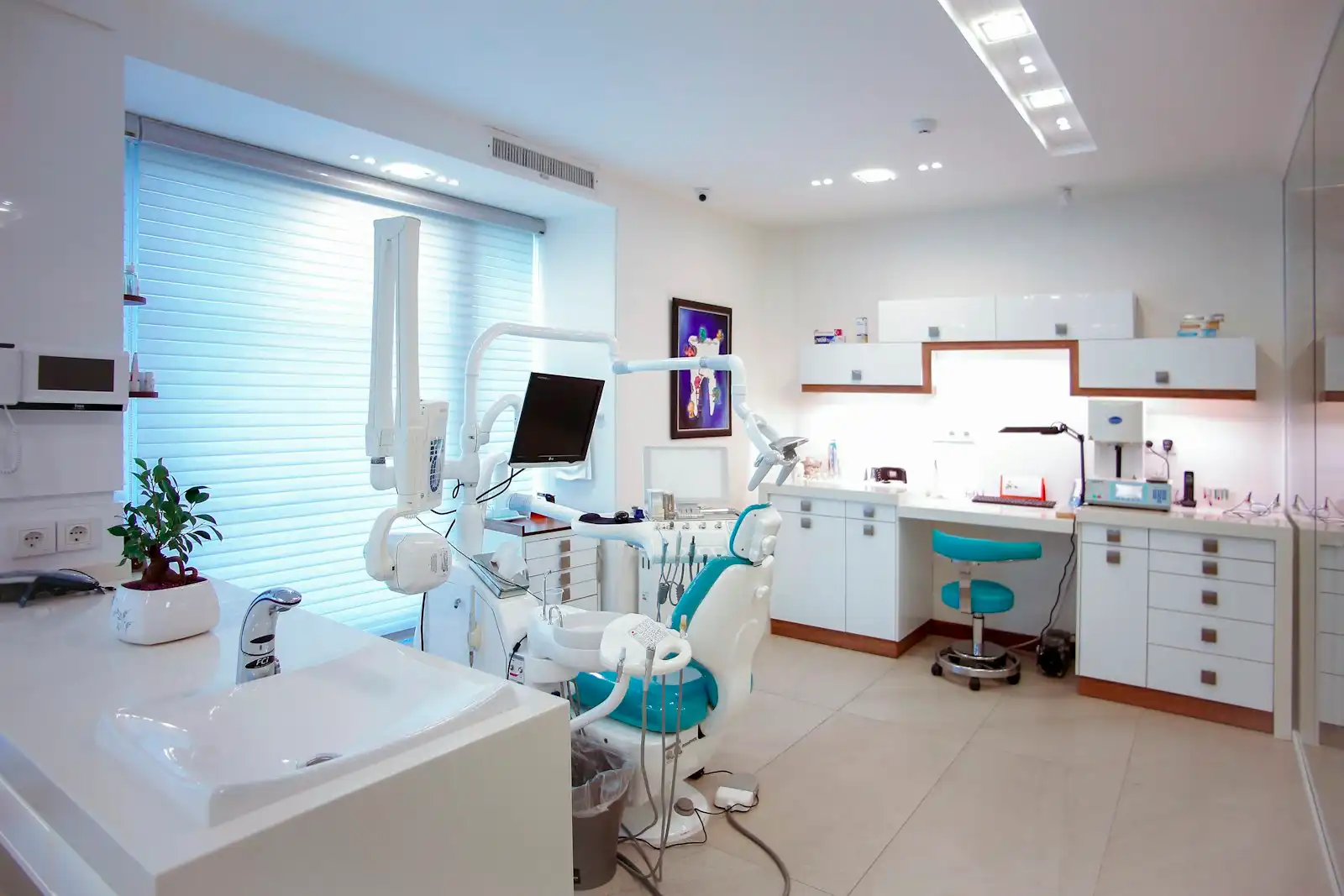
A concept for a multi-location practice: a block theme with online booking and location pages an office manager can update without a developer.
Read the caseThree doors next to this one.
WordPress stores with tested checkout, a short plugin list and updates run on staging first.
S15Core Web Vitals work measured in the field, not just in Lighthouse.
S14Updates on staging first, restore drills, monitoring, a monthly report.
The sample checklist covers editing permissions, backups, forms, redirects and template performance. Each launch records the checked environment and leaves a rollback route rather than relying on a plugin score alone.
The sample checklist covers editing permissions, backups, forms, redirects and template performance. Each launch records the checked environment and leaves a rollback route rather than relying on a plugin score alone.
You keep the agreed project files and source. This sample illustrates the handoff; it is not a client result.
Our core offer uses custom blocks, structured fields and a design system. The proposal describes the editor your team will use rather than assuming a page builder is the right fit.
Headless can fit a site that needs a separate frontend and has the capacity to operate it. We compare previews, hosting, publishing and rebuild requirements before recommending the added complexity.
Yes. We review the layouts, component states and content model before estimating the build. Missing mobile or interaction states are resolved before implementation.
We first inspect the causes of the problem. A theme rebuild is scoped only when fixes to assets, templates, plugins or hosting would not meet the requirements.
We document what each plugin does and avoid overlapping tools. Licensing, updates and any third-party costs are identified for the owner before the build is approved.
We define roles and structured fields, test common publishing tasks and keep layout controls bounded. Your handoff includes the source and instructions for the agreed editing workflow.
Yes, with a content inventory, URL decisions and a tested cutover plan. Complex migrations get their own reconciliation checklist and rollback conditions.
A care plan can cover staging updates, tested backups, monitoring and a monthly report. The response windows and included work are agreed in writing.