
Customer portals
Orders, documents, tickets, invoices and status for your customers, with roles for their teams and yours.
Partners · customers · staff
Tell us what needs to change. We will help you scope it.
Start a project →Customer portals, internal tools and SaaS back ends on Laravel. Paid discovery sets the scope, the build ships with tests and CI/CD, and the rollback plan is rehearsed before anyone depends on it.

If a SaaS tool already does the job well, we will tell you to buy it. Custom software is for when it doesn't.
Orders, documents, tickets, invoices and status for your customers, with roles for their teams and yours.
Partners · customers · staff
The spreadsheet that became a business process, rebuilt with permissions, audit logs and integrations.
Ops · finance · field teams
Multi-tenant APIs, billing, roles, queues and webhooks behind a product your team designs with us.
Tenants · billing · API
ERP, CRM, payment and logistics systems talking to each other reliably, with retries and alerts.
Sync · ETL · webhooks
Fixed-price discovery produces the scope, the architecture and the estimate. If you build with someone else afterward, you keep everything.
Workflow interviews, data inventory, systems map, risks. We watch people do the job today.
Scope by release, architecture, roles and permissions model, integration contracts, hosting plan.
Written scope, timeline, fixed price, clickable wireframes of the core screens, and a walkthrough.
Marked included, excluded or optional in every proposal.
Modular monolith by default. Queues, events, caching and a data model designed for the next three years, not the next demo.
Teams, roles, row-level access and audit logs. Who did what, when, is always answerable.
Designed with our UX team first. Livewire or Inertia for internal tools, Next.js when the product is public.
Typed contracts, retries, dead-letter queues and alerts for every external system.
Feature and unit tests on every business rule. Coverage reported in CI. No green build, no deploy.
Docker, GitHub Actions, staging and production, zero-downtime deploys, backups with restore drills.
OWASP checks, dependency scanning, secrets management, rate limits, 2FA where it matters.
Repository, runbooks, architecture notes and a recorded walkthrough for your next developer.
A sample with illustrative values. Every release has a tested way back.
| Release | Scope | Tests | Deploy | Rollback drill |
|---|---|---|---|---|
| v1.6.0 | Carrier rate import, ERP sync retry policy | 412 pass · 0 fail | 2026-10-28 · 02:10 ET · 0s downtime | 4m 12s |
| v1.5.2 | Audit log export, permission fix | 398 pass · 0 fail | 2026-10-14 · 02:05 ET · 0s downtime | 3m 48s |
| v1.5.0 | Document center, role: dispatcher | 371 pass · 0 fail | 2026-09-30 · 02:12 ET · 0s downtime | 4m 03s |
| v1.4.1 | Hotfix: timezone on shipment ETA | 355 pass · 0 fail | 2026-09-18 · 14:40 ET · 0s downtime | 3m 55s |
What changes the price: number of roles, integrations, data migration, real-time features, compliance requirements.
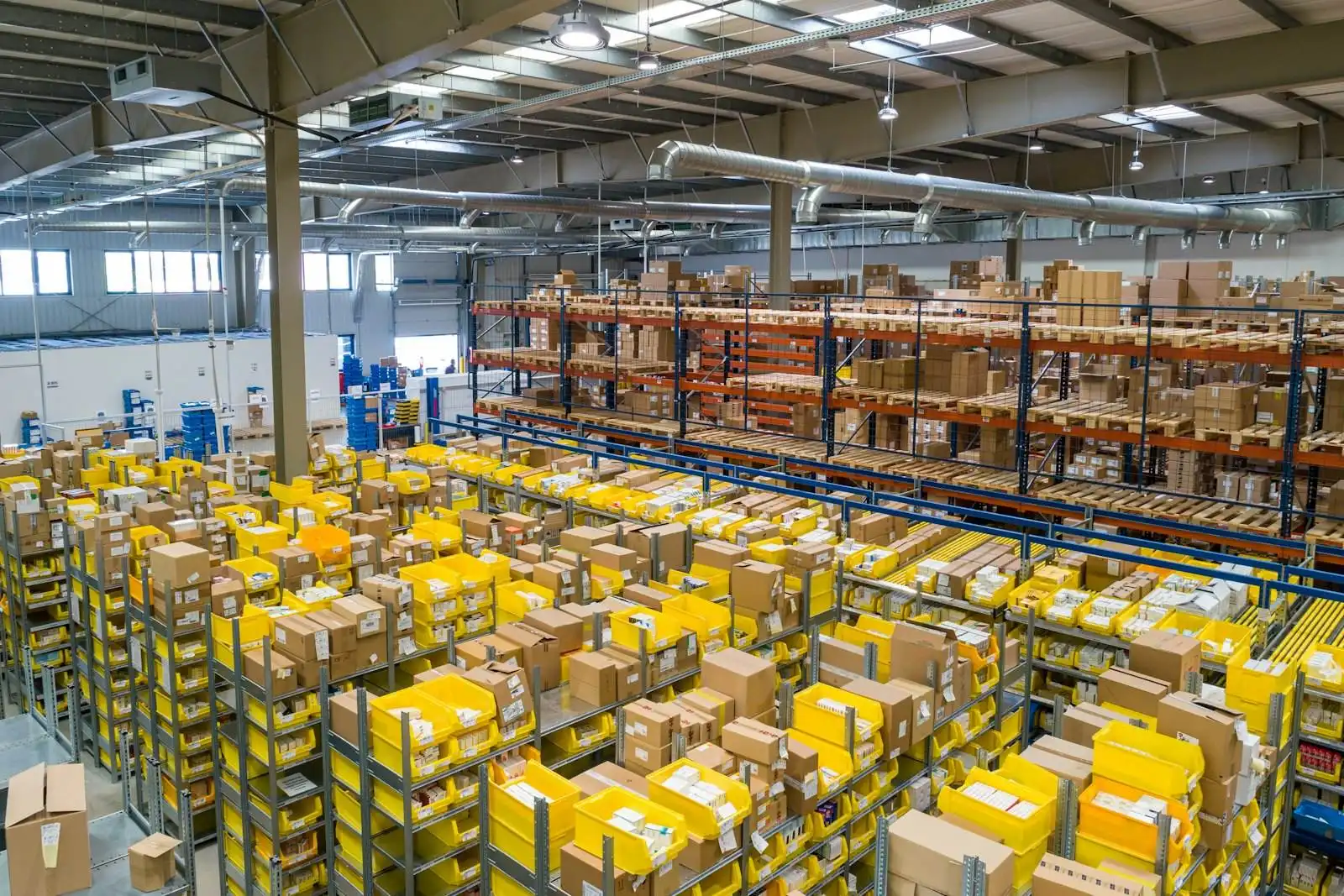
A concept for a logistics team: email threads and a shared spreadsheet replaced by a portal that syncs to the ERP, with roles, audit logs and a rollback drill before every release.
Read the caseThree doors next to this one.
Portals, internal tools and dashboards scoped from your workflow, then built with tests and CI/CD.
S03Onboarding, roles, empty states and the screens that drive activation.
S14Updates on staging first, restore drills, monitoring, a monthly report.
Laravel gives us a mature, well-documented framework with first-class queues, testing and deployment tooling, and a deep talent pool for whoever maintains it after us. If your organization is standardized on something else, we will say so and refer you.
Because it is real work that produces real assets: a scope, an architecture and wireframes you keep. Free discovery is a sales call with extra steps.
You do, from the first commit. The repository lives in your GitHub organization.
Your developers, or any Laravel team, can pick up a repository with tests, runbooks and CI already in place. That is the point of building it this way.
Yes, after a paid review of the code, dependencies, tests and deployment. You get a written state report with risks and options before we change anything. Some apps need stabilizing before new features make sense.
New builds start on the current supported Laravel release and PHP version. Older apps get a staged upgrade plan, one major version at a time. Where tests are missing, we add them around the risky areas first.
Livewire suits internal tools with many forms and tables. Inertia with Vue or React suits interfaces that need richer interaction. A separate Next.js front end makes sense when the product is public. We decide in discovery and write the reason into the architecture note.
In your cloud account, not ours. Common options are Laravel Forge on a VPS, Laravel Cloud or AWS. We set up staging and production, backups and monitoring, then hand you the admin credentials.
Jobs are written so a retry cannot post the same order or invoice twice. Failed jobs land in a dead-letter queue and raise an alert. A runbook explains how to inspect and replay them.
A care plan with a named on-call window covers updates, security patches, backups and small changes. If your own developers take over, they get the runbooks and a recorded walkthrough. Either way, the handoff is written down.